These records are found in the online catalog of The Mariners’ Museum and Park in Newport News, Virginia. Uncurated search results are presented to give researchers and interested readers an idea of whether the museum’s archives contain information about this vessel and whether it may be worthwhile to visit the museum’s catalog search page for further investigation. Uncurated results may be inaccurate or incomplete.
Mariners Museum online catalog search, July 12, 2026. Search phrase: "Twilight". Catalog returned 69 records; this selection table includes 69 records fetched through catalog result pages.
Use these buttons to send uncurated search results to your own app or text document for further research. First, check the box for any row, or click "Select All" then uncheck any rows. Then click "Show Selections". You can then copy your selections from the text box and past them into your app.
Library's copy presented by the Estate of Henry E. Marx.
World War, 1939-1945–Naval operations, German.; World War, 1939-1945–Naval operations–Submarine.; World War, 1939-1945–Campaigns–Atlantic Ocean.; World War, 1939-1945–Campaigns–Mediterranean Sea.
Steamboats–United States.; Paddle steamers–United States.
Shows a starboard side view of the stern of a side wheel steamer moored at a pier. Stanton's notebooks contain the following information about this item: "Sep 23, 1893"
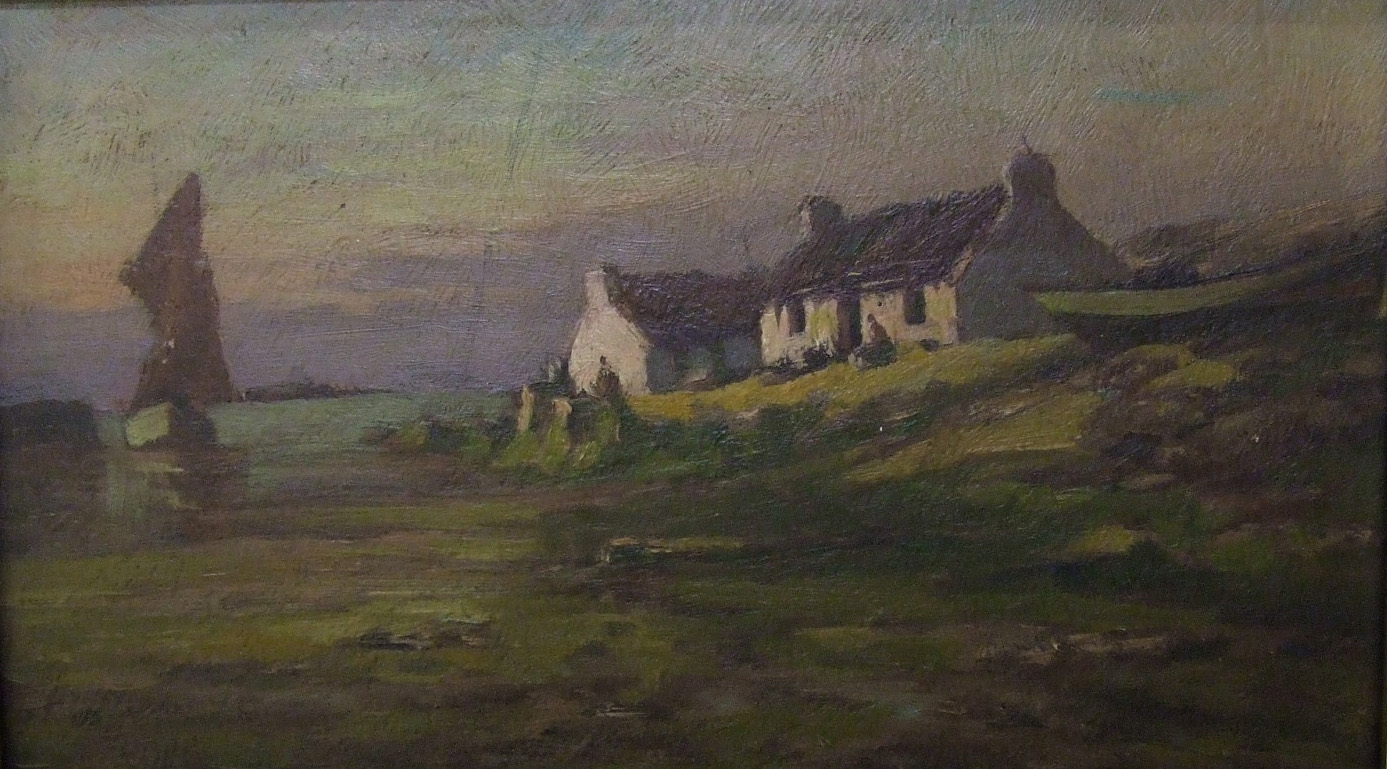
SHORT DESCRIPTION: Oil painting on board by Milton J. Burns titled “Twilight, Fisherman’s Home: Scotland.” The image shows a house at dusk sitting on a rocky, mossy-looking shoreline. The house sits at the center left. It is white with chimneys at either end. A similar small building sits slightly behind it to the left. A fishing boat is pulled up on the shoreline to its right. At the left, a boat is sailing into the small harbor. The final light of the sun is reflecting on the clouds behind it. Rocks sit in the water in the foreground. The painting is unsigned. NOTES: [J. Willoz-Egnor, June 5, 2023] Excerpts from Milton J. Burns, Marine Artist, by Peter Hastings Falk: Milton James Burns was born in Mt. Gilead, Ohio on January 9, 1853. After developing a serious eye-ailment, his doctor recommended he go to sea where the salt air would help alleviate the problem. On July 3, 1869, at the age of sixteen, Burns joined the crew of the 325-ton Canadian whaling steamer Panther, which was headed to the Arctic from St. John’s, Newfoundland. Panther had been chartered by artist William Bradford for an extensive expedition that eventually covered over 1,000 miles of Greenland’s coastline. During this voyage Bradford awakened and guided Burns’ artistic inclinations. When the Panther voyage ended, Burns took art classes at the National Academy of Design in New York, but most of his formal training occurred while under the tutelage of artist John George Brown. Brown encouraged his students to paint from life and to look to nature for inspiration. It was a philosophy Burns strictly adhered to and it was his passion for the ocean and the people that worked on it that drove his artistic career forward. Burns served on several sailing ships as he continued his art education. He became friends with Winslow Homer in the early 1870s and the style, technique, and subject matter of his drawings of the time reflect Homer’s influence. In turn, at least one of Homer’s artworks was influenced by a true account his friend Burns had experienced at sea (Lost on the Grand Banks). Burns became a freelance illustrator in the early 1870s, later working regularly for Harper’s, Scribner’s and other leading publishers. In the 1870s and 1880s Burns frequently traveled to the coast of Maine, Grand Manan, Mount Desert and Monhegan Island to draw and paint. Burns got closer to his subject and took more risks than most artists to instill a sense of truth in his artistic works. The result was realistic, vigorous, dramatic, and often heroic illustrations. A reporter with American Art News stated in 1914 “[Burns] painted them [fisher boats and folk along the New England coast and on the Grand Banks] vividly and strongly, for he shared the perils of the life and mixed his oils with more than a dash of sea salt.” Another stated his paintings had “all the smack and braciness of the true salt feeling.” In March 1881, he and author-artist S. G. W. Benjamin joined the pilot schooner Caprice to document life aboard a pilot boat as it cruised nearly 500 miles out into the Atlantic in a full winter gale. The editors of The Century were so impressed by Burns’ images, they commissioned the men to take a longer cruise into foreign waters. Benjamin and Burns chartered the 59’ coasting schooner Alice May for a circumnavigation of the Gulf of St. Lawrence. The Century published a six-part series that was later published as the book The Cruise of the Alice May in the Gulf of St. Lawrence and Adjacent Waters. In 1881, Burns also made his first trip to England’s North Sea coast where he sailed with the fishing fleets near Lowestoft. Burns struggled with two separate careers: illustrator and painter. While his notoriety and income came largely from his illustration work, he was a serious artist in oils. Author-artist S. G. W. Benjamin stated “[Burns] had made a specialty of marine genre in which he has few superiors.” While prolific, Burns’ formal artistic works brought little income. The problem can partly be attributed to the fact that Americans of the time weren’t avid collectors of American paintings and remarkably, paintings of marine scenes were unsaleable subject matter. Despite his financial problems, Burns’s reputation as a marine illustrator kept him sailing for publishers from Newfoundland’s Grand Banks to Great Britain’s Dogger Banks; from Hudson’s Bay down to the Caribbean and South America; and to the Arctic tundra’s from Alaska to Norway. Eventually, wood-engraved illustrations were replaced with the photomechanical process of halftone reproduction which was subsequently replaced by photography making the role of illustrators obsolete. In 1910 Burns chartered a 120-ton schooner for a sketching cruise with the fishing fleets on the Grand Banks of Newfoundland. The illustrations were published by the London Graphic and commissions from other British publishers followed. Burns remained in Britain for a long period, painting and illustrating his favorite areas along the North Sea coast from Lowestoft, England to Wick, Scotland. He shipped out with fishing fleets for weeks at a time to the dangerous Goodwin Sands or the frigid waters of Iceland. During World War I Burns was commissioned by Admiral William S. Sims to document the Navy’s offensive operations against the German fleet. After the war he continued working as a free-lance illustrator. He bought a boat, which he lived on for the rest of his life. In 1932 Burns fell ill in France, returned to New York, and died there the following winter (December 27, 1933).
Steamboats–United States.; Paddle steamers–United States.
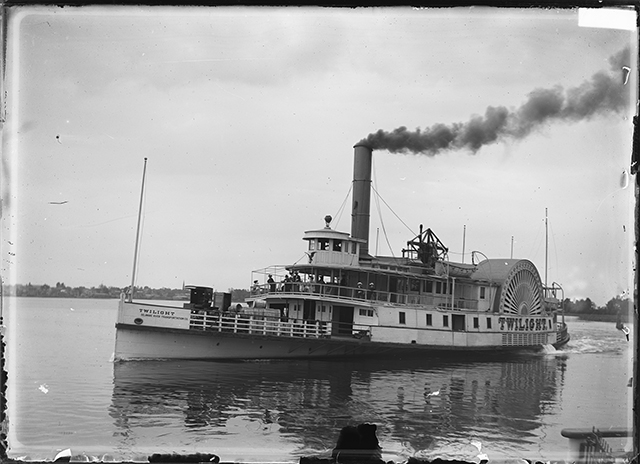
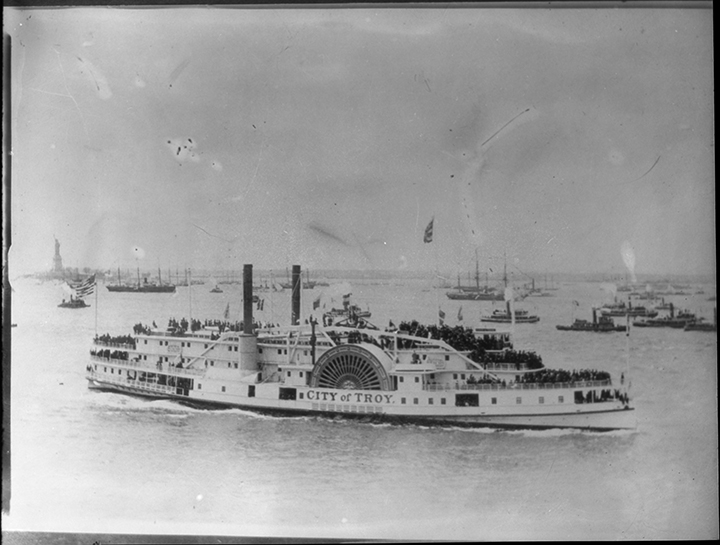
Shows a starboard side view of a side wheel steamer making way, black smoke chugging from her stack. Stanton's notebooks contain the following information about this item: "Sept 10, 1900"
Steamboats–United States.; Paddle steamers–United States.
Shows a port side view of the bow of a side wheel steamer making way. Passengers can be seen gathered over her bow. Stanton's notebooks contain the following information about this item: "Aug 28 1896"
Shows a close up of the walking beam of a paddle steamer as seen from the upper deck of the vessel. Stanton's notebooks contain the following information about this item: "Aug 28, 1896", "Walking beam Twilight - John S. Warner beyond"
[Method of Rep]Multiview projection; [Point of View]Side view - Front view - Overhead view
Steam-engines–Designs and plans.
Measured drawing of the vertical direct-acting engine for the sidewheel steamer Twilight (1868). The plan is signed "H. W. Frackmann" on the lower right recto.
Shows a port side view of a stern wheel steamer pushing a barge. Stanton's notebooks contain the following information about this item: "July 10, 1897 at Pittsburg Pa"
Steamboats–United States.; Tugboats–United States.; Paddle steamers–United States.
Shows a starboard side view of a tugboat, in the background a paddle steamer can also be seen. Stanton's notebooks contain the following information about this item: "Aug 27, 1896"
BRANDYWINE (STEAMSHIP: 1885) - JOHN S. SCHIVER (SCREW STEAMER: 1857) - ANTHONY GROVES, JR. (STEAMSHIP: 1893) - TWILIGHT (SIDE-WHEEL STEAMBOAT: 1873-1906)
Twilight see - Anthony Grover, Jr.; 2771
Steamboats–United States.; Paddle steamers–United States.; Harbors–United States.
Shows a view of four boats in the same harbor, moored at a pier or wharf. This negative has thumbtack holes. Stanton's notebooks contain the following information about this item: "May 20 '97", "Bow Brandywine, John S Schriver, Anthony Groves Jr, Twilight"
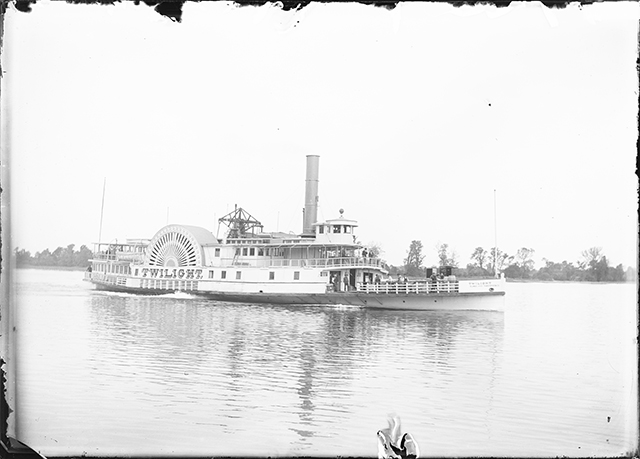
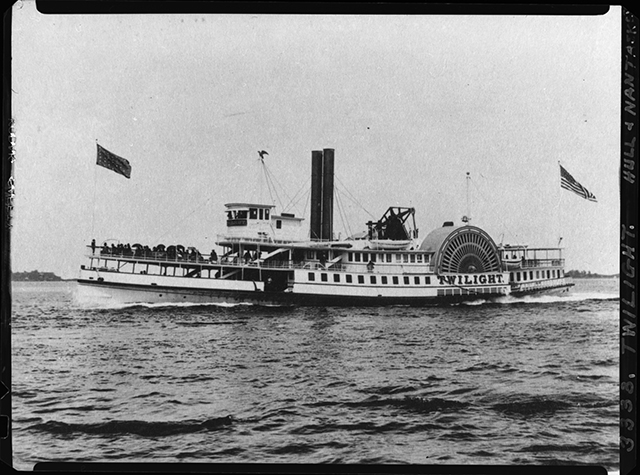
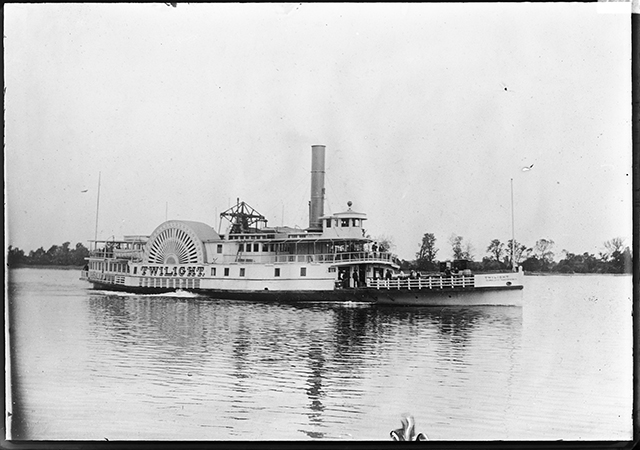
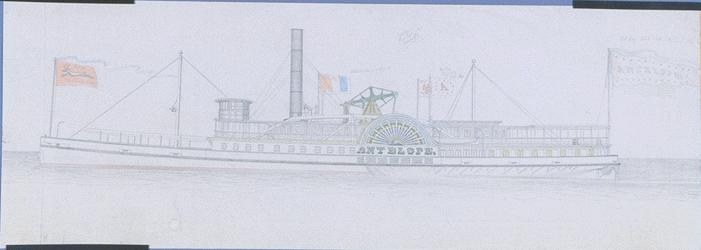
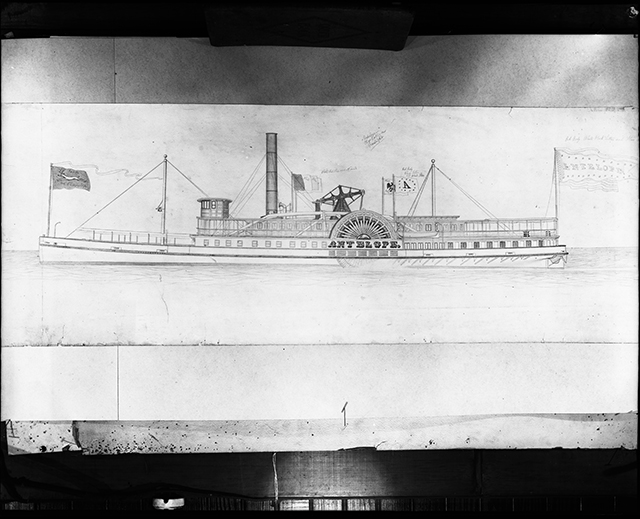
VESSEL INFORMATION: VESSEL NAME: ANTELOPE Wooden paddle side-wheel steamboat built in 1862 as the THOMAS COLLYER being the second of the vessels to carry that name. She was 220 feet in length; 27 feet beam and 8 feet depth of hold. Fitted with a verticle beam engine constructed by H. R. Durham having a cylinder of 48 inches and 10 feet stroke. Taken over by the U. S. Government during the Civil War, returning to NY waters after the close of the war and was renamed ANTELOPE. She continued in the excursion trade for some years and was later named the TWILIGHT and operated out of Boston and later back to NY and finally on the Delaware. She also saw some service on the Chesapeake. She was broken up about 1906. 1862 Built by Thomas collyer as the THOMAS COLLYER II 636 tons 1866 Renamed ANTELOPE 1873 Renamed TWILIGHT 1881 Nantasket Steamboat Co. 1895 Delaware River Navigation Co. Broken up at Corpus Point on the Delaware River Alternate vessel names: (1) THOMAS COLLYER (1862-1866); (2) ANTELOPE (1866-1872); (3) TWILIGHT (1873-1906). TWILIGHT was a new hull into which the machinery and joinerwork from ANTELOPE were installed.
RICHARD WILLING (STEAMSHIP: 1854) - TWILIGHT (SIDE WHEEL STEAMER: 1868)
Twilight - see - Richard Willing; 601
Steamboats–United States.; Paddle steamers–United States.
Shows a paddle steamer and a steamboat moored at different piers. Stanton's notebooks contain the following information about this item: "July 10, 1894"
Steamboats–United States.; Paddle steamers–United States.
Shows three paddle steamers moored together, passengers can be seen on one boat. Stanton's notebooks contain the following information about this item: "Aug 11, 1893"
VESSEL INFORMATION- VESSEL NAME: ANTELOPE VESSEL TYPE: AMERICAN SIDE-WHEEL STEAMBOAT SERVICE DATES: 1862- c. 1906 SHIPBUILDER: COLLYER, THOMAS SHIPBUILDER LOCATION: NEW YORK, NEW YORK Alternate vessel names: (1) THOMAS COLLYER (1862-1866); (2) ANTELOPE (1866-1872); (3) TWILIGHT (1873-1906).
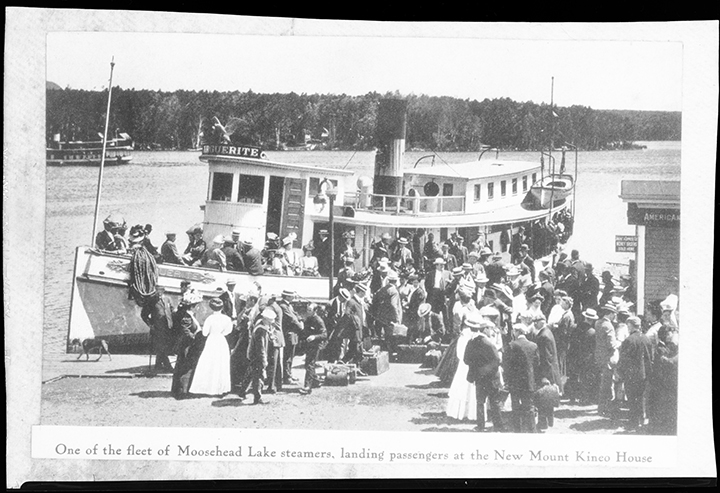
A photograph of passengers boarding the Marguerite. Marguerite was built around 1901 by Lester Van Brunt of Seabright, Maine, and was named for his wife. The Coburn Steamboat Company acquired the boat in 1903, and it served on Moosehead Lake in Maine until it was relieved on the Lily Bay run by the Coburn steamer Twilight, in 1928.
ENGLAND, LONDON, 202 HIGH HOLBORN; ENGLAND, LONDON, WATER LANE, FLEET STREET
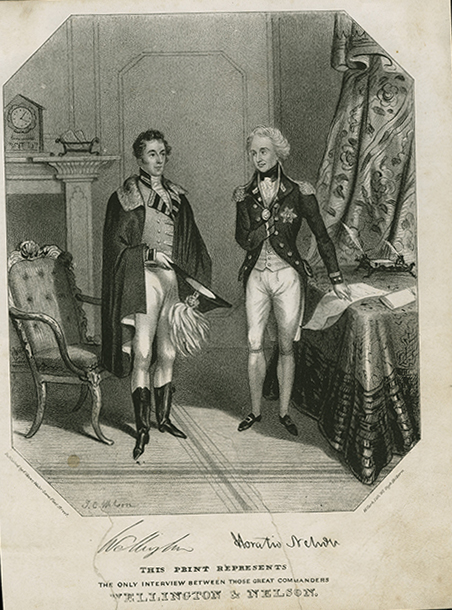
SHORT DESCRIPTION: Vignette showing Nelson and Wellington in uniform in a room. Fireplace at the back, chair behind Wellington. Nelson points to a map on a fabric draped table. LABEL COPY: Arthur Welleseley, first Duke of Wellington (shown here at left) and Nelson won the two battles on land and sea that largely undermined Napoleon's military power in Europe. At the 1805 Battle of Trafalgar, a British fleet under Nelson decimated the combined French-Spanish fleet commanded by Admiral Pierre Villeneuve. In 1815 Wellington decisively defeated Napoleon himself at Waterloo in the battle that would signal the twilight of the Napoleonic era. Wellington and Nelson met only once, in 1805, but together they personified for many the military power of Great Britain. Wellington and Nelson, circa 1805 The Mariners' Museum 1984.69.25 (Nelson Gallery 6/26/98)
E10422 - Pvt. Cordell L. Tompkins, 36743674, of 610 East 6th St., Rock Falls, Ill., receives the Purple Heart Award at Retreat, at CPH, Va. Tompkins formerly served overseas in Company "C", 30th Infantry. He was wounded in action, 1 February 1944, at Littoria, Italy. He is now a member of the Military Police Company at the Virginia Camp. Photo taken at CPH. 10-19-44 Official Photograph, U. S. Army Signal Corps, HRPE, Newport News, Va.
Military ceremonies, honors, and salutes–Virginia–Newport News.; Award winners–Virginia–Newport News.; Portraits–Virginia–Newport News.; Purple Heart.
Shows a young soldier in uniform, posed as for a portrait, at twilight. The Purple Heart hangs over his left breast pocket, turned slightly toward the camera. He looks up and over to the right side of the image.
E-10385 - Col. Fountain, C.O., CPH, and Lt. Col. William C. Keel Jr., 0316010, Inf. Director of Operations Division, CPH, are shown. Photo taken at CPH. Col. Keel's home address - 12 Arlington St., Boston, Mass. 10-14-44 Official Photograph, U. S. Army Signal Corps, HRPE, Newport News, Va.
Two officers stand beside the sign for the Operations Division. There are trees behind them and it appears to be twilight.
K-9556 Pvt. Mary Dorsie of Ft. Monroe is shown out at first on grounder to short. 1st Sgt. Dyer of Newport News covers bag. 3rd Inning. 8-28-44 Official Photograph, U. S. Army Signal Corps, HRPE, Newport News, Va.
Shows WACs playing softball in a field surrounded by trees. It appears to be near twilight. A woman, one foot on the plate, catches the ball as another slides the base.
K-9557 Pvt. Mary Dorsie, is out at home trying to steam Goldie, of Newport News, covers plate. 7th Inning. 8-28-44 Official Photograph, U. S. Army Signal Corps, HRPE, Newport News, Va.
Shows WACs playing softball in a field surrounded by trees. It appears to be near twilight. A woman, one foot on the plate, covers the plate as another slides the base. A crowd of soldiers and sailors watches.
K-9556 Pvt. Keating of Newport News, is safe at home, going from 3rd to home on an infield grounder. 5th Inning. 8-28-44 Official Photograph, U. S. Army Signal Corps, HRPE, Newport News, Va.
E10423 - Lt. Col. MacLeod extends congratulations to Pvt. Tompkins. Pvt. Tompkins received the Purple Heart at Retreat Ceremony, CPH, Va. 10-19-44 Official Photograph, U. S. Army Signal Corps, HRPE, Newport News, Va.
Military ceremonies, honors, and salutes–Virginia–Newport News.; Award winners–Virginia–Newport News.; Purple Heart.
Shows a young soldier in uniform shakes hands with an officer. They stand outdoors near some trees, and it appears to be at twilight.
WILLIAMSBURG - BROOKLYN - NEW YORK - UNITED STATES - Maker
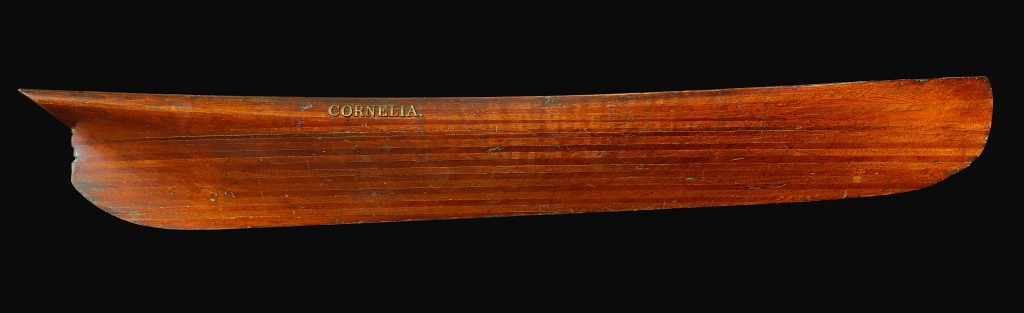
SHORT DESCRIPTION: Builder’s half hull model, starboard side, made by George Steers of the schooner yacht Cornelia. The model is a basic representation of the vessel's molded lines, without constructional details. The model is not mounted on a backing board. The model is varnished and is inscribed in black-outlined letters filled with yellowish paint “CORNELIA.” The model has a slightly curved stem and an hour-glass shaped upper stern (no counter). It has steep deadrise and little or no tumblehome. There is a curved rocker beginning 13” back from the bow. It has a short, slightly concave entry and a short run aft. The stern is not square, its rounded starting approximately 5” from the stern, leaving a short stern post just 2-1/8” high. The model is constructed of 20 lifts that appear to be various kinds of wood (there are different grain patterns visible and lift 14 looks like a hardwood like mahogany). The lower 15 are flat. The bottom lift (1) is 7/16” and tapers to zero about 12-1/4” from the bow. Lifts 2 through 12 are ¼”; lift 13 is 5/32”; lift 14 is 1/8” and lift 15 is 3/16”. The sheer curve is cut into the 16th lift. It is 3/32” amidships, 1-1/2” at the stern, and 9/16” at the stem. Lifts 17 through 20 are tapered from bow to stern. Lift 17 is 5/16” at the stem and 1/8” at the stern. Lift 18 is 5/16” at the stem and 5/32” at the stern. Lift 19 is 9/32” at the stem and 1/8” at the stern. Lift 20 is ¼” at the stem and 1/16” at the stern. Lift 20 is also the top covering for the model. The dimensions of the model are 37” (length overall); 4-11/16” (main breadth), 4-9/16” (half breadth), leaving a tumblehome of just 1/8”. Height overall is 5-3/8” (at the stern). The minimum half-breadth of the model is 1/16" along the edge of the stem and at the stern. The lifts appear to be held together with three pegs that run from top to bottom. The pegs are square/rectangular on the face of the model but round on the top. There are a few variously sized holes whose purpose is not apparent on the top and back of the model. The model is in good overall condition. The varnish is stable. Lifts 11 through 13 and 16 have some minor loses at the stern. There is a gouge about an inch from the C in the ship’s name. There are a few nicks and scattered scratches. Lift 19 has a small losses about 7” from the bow and a square section of the lift has been cut out at the stern. (1-9/16” x 1-1/2”). ADDITIONAL INFORMATION: See Yachts and Yachting with over One Hundred and Ten Illustrations, by Fred S. Cozzens and Others, 1887, image page 56, references on pages 18 and 24. VESSEL INFORMATION— VESSEL NAME: CORNELIA VESSEL TYPE: Schooner DESIGNER: George Steers BUILD DATE: 1846-1847 DIMENSIONS: 74’ length overall; 75 tons OWNER: William and Daniel Edgar CAPTAINS OR OTHER RELATED PEOPLE: George Steers (designer) SHIP OWNERS: William Edgar, New York Yacht Club VESSEL HISTORY: • On May 31st, 1847 a second match of the New York Yacht Club’s sailing season was raced over the club course and for $500 a side, between Cygnet and Cornelia, schooner of 90 tons, built the previous year for Mr. William Edgar. Cornelia took the ground off Ellis Island shortly after the start and was out of the race. [Yachts and Yachting: With Over One Hundred and Ten Illustrations, By Frederic Schiller Cozzens] • New York Daily Herald, June 3, 1847: Cornelia sailed in the New York Yacht Club’s annual regatta. o “The third boat in was the schooner Cornelia, white hull with green bottom.” • The History of the New York Yacht Club through 1973 by John Parkinson indicates that Cornelia participated in the club’s annual cruise to Newport and New Bedford. • She also sailed in the NYYC’s Second Amateur (Corinthian) Regatta on October 12, 1847. The race was sailed over the NYYC club course. The Cornelia did not finish the race, stopping some time after passing the Staten Island stakeboat. • New York Daily Herald, June 7, 1848: New York Yacht Club Annual Regatta held on June 6th, schooner first class (over 50 tons) Cornelia, 75 tons, Wm. Edgar. The Cornelia, the winning boat, was very skillfully managed by her owner William Edgar, Esq., and Commodore Thomas. She answered the helm in beautiful style, turning the stake boats, and made tracks on the homeward stretch, ploughing up the silvery wave against a hard wind, that perfectly astonished the oldest pilot on board. On beating up, she passed the Battery at the rate of 15 knots., with the sloop Maria, about a mile astern; and when passing the foot of Barclay street, the sloop Maria, in a sudden gust of wind snapped her mast; and her main sail, foresail and boom went overboard. When this accident happened, the Cornelia was about three-quarters of a mile ahead; and would, beyond a doubt, have held her own, had the Maria continued without accident. Thus the Cornelia won the race, making the forty miles, in a little over five hours, beating the Maria some forty-eight minutes…The winning boat was built by George Steers of Williamsburgh; and a beautiful model she is. • Yachts and Yachting: With Over One Hundred and Ten Illustrations, By Frederic Schiller Cozzens: On October 26, 1848 there was an experimental match that was a race that separated the boats by rig. It was over the regular club course. Cornelia participated. The wind failed and the race was resailed on November 3rd. Only two schooners participated Sybil and Cornelia. Sybil won. • Yachts and Yachting: With Over One Hundred and Ten Illustrations, By Frederic Schiller Cozzens: The Annual Regatta was held June 5 and 7th, 1849. Cornelia participated. • The History of the New York Yacht Club through 1973 by John Parkinson indicates that a Sweepstakes Race was held on October 11, 1849. The schooners Cornelia, Sybil and Twilight participated but were sailed under close reefs because of high winds. The Cornelia won because the other boats suffered gear failures. Twilight finished second under foresail alone and Sybil behind her under only a jib. • Yachts and Yachting: With Over One Hundred and Ten Illustrations, By Frederic Schiller Cozzens: October 13, 1849: Cornelia and Breeze sailed a match starting from Robbins Reef and around the Sandy Hook Lightship. Breeze withdrew when she lost her bowsprit. Cornelia sprung her mast but won the race. • The History of the New York Yacht Club through 1973 by John Parkinson indicates that Cornelia participated in the June 6 and 7, 1850 annual regatta. Cornelia was rated at 75 tons. • Baltimore Sun, May 5, 1851 reported: A race took place yesterday between the new yacht Cornelia and the pilot boat Moses H. Grinnell for a purse of $1,000. They went round the light ship and back; and the latter came in the winner. They are both schooner rigged, and nearly of the same tonnage. • Yachts and Yachting: With Over One Hundred and Ten Illustrations, By Frederic Schiller Cozzens: Cornelia sailed in the Annual Regatta on June 3rd 1852. This was the first time the vessels were divided by tonnage and not by rig. Cornelia participated as a first class schooner. • June 2-3, 1853 Cornelia (schooner, first class, over 50 tons) and Sybil (schooner, second class, over 25 tons) participated in NYYC opening season race. Cornelia completed the race in 5 hours 41 minutes and 30 seconds (28 minutes behind Una). Sybil completed the race in 5 hours 55 minutes and 10 seconds (behind Undine and Sport). • Reported in May 22, 1854 New York Daily Herald: Annual Regatta of NYYC had following yachts: Cornelia, owned by Vice Commodore Edgar, 90 tons; Haze, W. H. Duncan, 110 tons; Sybil, E. C. Center, 40 tons • New York Daily Herald, June 2, 1854: Cornelia participated in the New York Yacht Club Annual Regatta on June 1st. • Buffalo Daily Republic, August 13, 1857: In an article titled “Yachts belonging to the New York Yacht Club. William Edgar is listed as owning the Widgeon (flag ship) which means he must have sold Cornelia sometime around 1855. There is a Cornelia participating, but she’s listed as being a Boston vessel. She does not appear in the New York Marine Register of 1857. • An extensive check of the registers of New York and Boston do not turn up any vessels of comparable size. In the Times Picayune (New Orleans), October 13, 1857 there is an article stating: Southwest Pass, October 12, The pilot boat Cornelia, Capt. Chism, sixteen days from Boston via Key West, has arrived. It later reported on September 24, 1860 the pilot boat Cornelia was damaged in a hurricane. (The pilot-boat Cornelia went ashore, and was badly damaged by collision with the Galveston.) and on December 13, 1857 the Opposition Pilots, Pilotboat Cornelia No. 4, Warren Chism, James W. Lyons, Horace Sherman, William E. Pendleton, James Scott, and John L. Dows. It’s unclear if this is the schooner Cornelia built by George Steers.
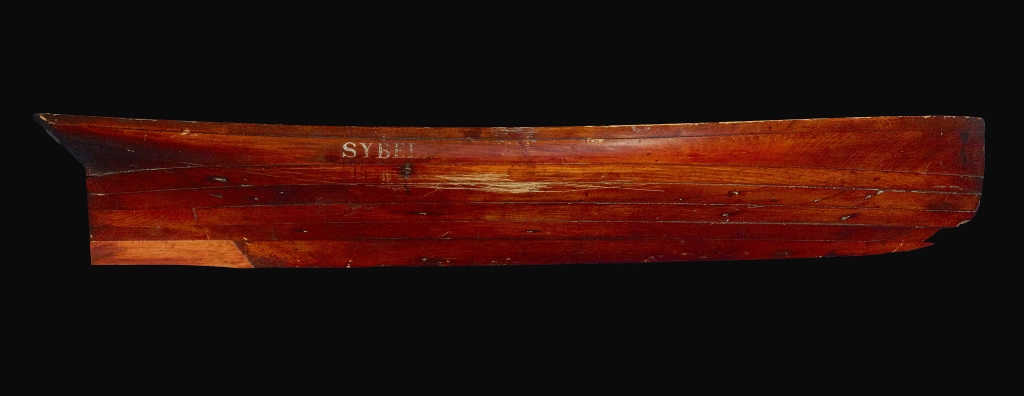
SHORT DESCRIPTION: Builder’s half hull model, starboard side, made by George Steers of the schooner Sybel. The model is a basic representation of the vessel's molded lines, without constructional details. The model is not mounted on a backing board. The model is varnished and is inscribed in whitish paint “SYBEL.” The model has a plumb stem and a raked hour-glass shaped upper stern (no counter). It has steep deadrise and little or no tumblehome. There is a curved rocker beginning 8” back from the bow (long flat keel). It has a short entry and a long run aft. The model is constructed of 7 pine lifts. The lower 5 are flat. The bottom lift (1) is 25/16” and tapers to 0” at the bow. Lift 2 is 3/8”. Lifts 3 through 5 are 7/16”. The sheer curve is cut into the 6th lift. It is 19/32” amidships, 1-1/4” at the stern, and 1-3/16” at the stem. Lift 7 tapers from bow to stern. It measures 3/8” at the bow, 11/32” amidship, and 9/32” at the stern. Lift 7 is also the top covering for the model. The dimensions of the model are 26-1/8” (length overall); 3-5/8” (main breadth), 3-1/2” (half breadth), leaving a tumblehome of just 1/8”. Height overall is 4-1/16” (at the stern). The minimum half-breadth of the model is 1/16" along the edge of the stem and at the stern. It is unclear how the lifts are held together. There are a few variously sized holes whose purpose is not apparent on the face, top and back of the model. The model is in fair overall condition. The varnish is stable. The bottom lift (1) has been repaired at the stern with a new piece of wood 4-3/8” long. The same lift has another joint near the bow but the repair looks older and may date to the model’s original manufacture. At the stern, lifts 2 and 3 also have joints that may date to the original manufacture. Lift 2 has been repaired at the bow but is still missing a large chunk at the end. There is a large area of scratches on lifts 4 and 5 just below the ship’s name. Lifts 2 and 3, and 4 and 5 are separating at the bow. The screws for the hanging hardware have split lift 6 and has caused lifts 5 and 6 to separate at the stern. NOTES: The collection of half models MR 5 through MR 24 are of vessels built by shipbuilders Henry (father), James Rich and George (sons), and Henry Steers (son of James Rich), builders of the famous yacht America. The models document vessels built between 1805 and approximately 1876. They encompass all types of vessels from a catboat up to large steam sloop built for the US Navy. In a February 13, 1963 letter Howard I. Chapelle, Curator of the Division of Transportation at the Smithsonian stated “The Steers Collection is important technically and it is something we envy the Mariners’ Museum’s possession.” VESSEL INFORMATION— VESSEL NAME: SYBEL VESSEL TYPE: Schooner yacht DESIGNER: George Steers BUILDER: George Steers BUILDER LOCATION: New York BUILD DATE: 1842 DIMENSIONS: 40 tons SHIPOWNER: C. B. Miller; R. R. Patton; E. C. Center VESSEL HISTORY: • New York Daily Herald, July 18, 1845: Sybel took part in the first regatta of the New York City Yacht Club, July 16, 1845: The 40 mile course was from a line off Robbins Reef past a mark-boat off Bay Ridge on the Brooklyn shore, then past another mark-boat off Stapleton on the Staten Island shore, thence out through the Narrows and around the Southwest Spit buoy, returning over the same course. Sybil [sic], a 42 ton schooner owned by C. B. Miller came in second, performing the distance in 5 hours, 11 minutes and 28 seconds. (came in second behind Cygnet). • New York Daily Herald, August 15, 1845: Sybil, owned by C. Miller was one of the yacht fleet to visit Newport (Annual Cruise). • Sybil [sic] also participated in what was billed the New York Yacht Clubs first annual race on July 16-18, 1846. • The season of 1847 was opened with a match race on May 25th over the regular club course for $500 a side between the schooners Sybil (still owned by C. Miller) and Cygnet. The race was won by Sybil. [Yachts and Yachting: With Over One Hundred and Ten Illustrations, By Frederic Schiller Cozzens and New York Daily Herald, May 20, 1847] • Yachts and Yachting: With Over One Hundred and Ten Illustrations, By Frederic Schiller Cozzens: On October 26, 1848 there was an experimental match that was a race that separated the boats by rig. It was over the regular club course. Sybil (37 tons) participated. The wind failed and the race was resailed on November 3rd. Only two schooners participated Sybil (owned by R. R. Patton) and Cornelia. Sybil won. • Yachts and Yachting: With Over One Hundred and Ten Illustrations, By Frederic Schiller Cozzens: The Annual Regatta was held June 5 and 7th, 1849. It was the first race that included the yachts going around the Sandy Hook lightship. The Sybil was the only second class schooner to participate and thus won the race for her class. The History of the New York Yacht Club through 1973 by John Parkinson still indicates Sybil was owned by R. R. Patton. • The History of the New York Yacht Club through 1973 by John Parkinson indicates that a Sweepstakes Race was held on October 11, 1849. The schooners Cornelia, Sybil and Twilight participated but were sailed under close reefs because of high winds. The Cornelia won because the other boats suffered gear failures. Twilight finished second under foresail alone and Sybil behind her under only a jib. • Yachts and Yachting: With Over One Hundred and Ten Illustrations, By Frederic Schiller Cozzens: Cornelia sailed in the Annual Regatta on June 3rd 1852. This was the first time the vessels were divided by tonnage and not by rig. Sybil participated as first class schooner. • New York Times, June 4, 1853: Sybil participated in the opening races of the yachting season (June 2) as a second class schooner. • Reported in May 22, 1854 New York Daily Herald: Annual Regatta of NYYC had following yachts: Cornelia, owned by Vice Commodore Edgar, 90 tons, Haze, W. H. Duncan, 110 tons, Sybil, E. C. Center, 40 tons • New York Times, June 1, 1854: Sybil participated in the annual regatta. New York Daily Herald, June 2, 1854: We were indebted to the kindness of our friend Mr. George Steers for an opportunity of witnessing the race from the time the boats started till their return. Starting from his yard, at the foot of Twelfth Street, East River, about eight o’clock, on board the yacht Sybil, in tow of a steamboat, we arrived in due time at the first stake boat, which was anchored opposite the Elysian Fields. Here we found all the yachts trying their powers previous to the race, and the steamer Josephine, which had been chartered by the members of the club for the occasion. • No records of Sybel/Sybil past 1854 could be found.
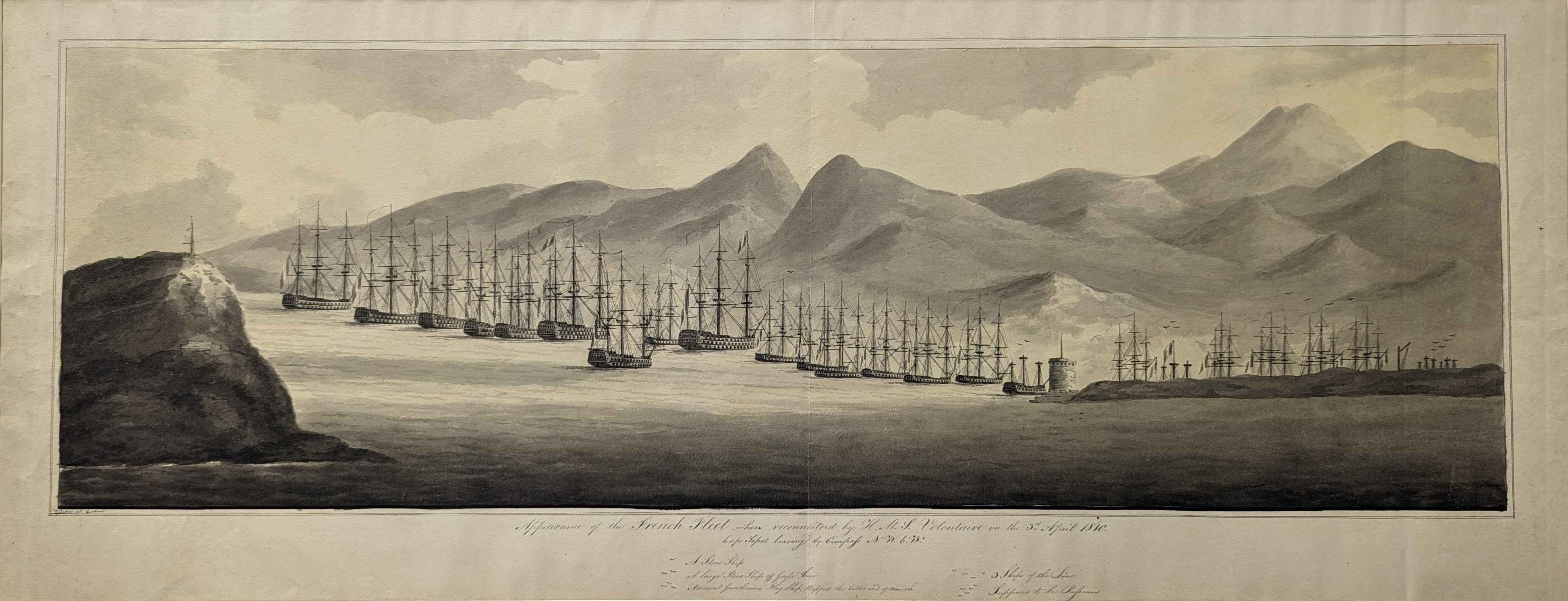
SHORT DESCRIPTION: Watercolor drawing, monochrome, painted by midshipman Thomas Leslie of HMS Centaur in 1810. Titled 'Appearance of the French Fleet when reconnoitered by H.M.S. Volontaire on the 3rd April 1810.' The image shows a panoramic view of the French fleet anchored in the harbor of Toulon, the ships are of various sizes. At the right, the circular Tour Royale stands on the end of a peninsula with Toulon's inner harbor behind it. The rigging of more ships can be seen behind the peninsula. Some of the vessels have lowered their topmasts. At the extreme right, Leslie has indicated that some of the down rigged ships are Russian. Behind the ships are tall mountains. NOTES: Background to the painting by Midshipman Thomas Leslie, written by Tom Pocock in 1984: When Captain William Webley returned from the Baltic, and after his involvement with the Walcheren expedition, he was ordered to take the CENTAUR to join Collingwood's fleet in the Mediterranean, where the principal operations concerned the blockade, or, at least, the watching, of the French in Toulon. The British were based on Port Mahon, Minorca, but frequently cruised off the coasts of Spain, France and Corsica, leaving the watching of the French fleet to frigates, amongst which was LA VOLONTAIRE. A prize, taken from the French in 1806, La VOLONTAIRE commanded by Captain Charles Bullen, R. N., was on picket duty off the French coast in stormy weather during the early months of 1810. On board was midshipman Thomas Leslie, on detachment from his own ship, the CENTAUR, in which he has served for several years, presumably because of his skill at sketching (he had painted watercolors of the CENTAUR's action in the Baltic for Captain Webley). Officers who could sketch were in demand for duty in ships watching enemy ports, of course. On 3rd April, 1810, Captain Bullen's log reads, "Fresh gales and cloudy...From 5 to 6 reconnoitering Toulon. Cape Sepet then bearing N.W. Hauled off" Presumably she sailed close inshore past the harbour, at this time of day, so that, if pursued by a stronger force of the enemy, she could escape under cover of twilight and darkness. Indeed, next day the log reads, "Fresh breezes and cloudy, at 1, their battleships in chace of us." At this time, the CENTAUR was in Port Mahon, where Collingwood had relinquished his command and died on board his flagship, the VILLE de PARIS, on 7th March. Soon after, she sailed with a squadron commanded by Vice Admiral Sir Samuel Hood and on 15th, between Cape Croisette and Cape San Sebastian, Bullen of LA VOLONTAIRE noted that Hood's fleet was in sight and Webley wrote in his log, "The VOLONTAIRE in sight. 10, shorten sail. Out boat...5.40, parted company with the VOLONTAIRE." This boat presumably brought Midshipman Leslie back to his own ship where he drew a large version of his sketches made off Toulon for presentation to Admiral Hood. LA VOLONTAIRE continued to Minorca (Menorca), reaching Port Mahon on 19th, April. Webley remained in the CENTAUR until 11th November, 1810, when he took command of the HIBERNIA as Hood's flag-captain. NOTES: Thomas Leslie served as a midshipman aboard HMS Centaur, and was present during action against the Russian fleet and capture of the 74-gunship Vsevolod on 26 August 1808, during the Anglo-Russian War of 1807-1812. He was awarded the Naval General Service Medal. [Source: Naval General Service Medal, 1793-1840, p. 31]. In 1811 Leslie may have been serving aboard the HMS Hibernia. Leslie was serving as the purser on the HMS Owen Glendower (36) starting May 1, 1813. Formally reached rank of purser on July 23, 1814. Was serving as purser on HMS Leda (36) in 1816. Leslie does not appear to have been in active service after 1816. NOTES: This is a page from a scrapbook compiled by the daughter of Rear Admiral William Webley-Parry. Many of the support pages have watermarks dating to 1871 although the watercolors, many signed by Webley, date to the 1790-1814 time period (his period of active service). The longer descriptions may have been added by Webley's daughter/grand-daughter from letters Webley wrote to his mother throughout his naval career. There are twenty-six pages and an additional watercolor that is larger. NOTES: La Volontaire (launched 1796 at Bordeaux) - captured by British Navy 1806, becoming HMS Volontaire. The ship was La Virginie Class (40-gun design by Jacques-Noël Sané, with 28 x 18-pounder and 12 x 8-pounder guns, plus 4 x 36-pounder obusiers).
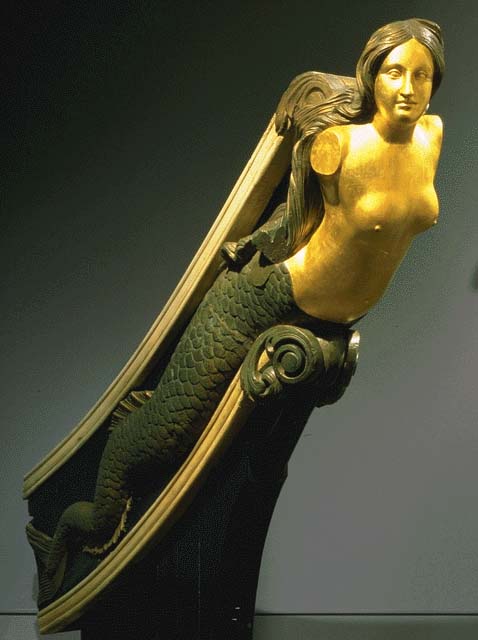
SHORT DESCRIPTION: Full length mermaid figure of the "straddled head" type (trailboards carved as part of the figurehead). Gilt lady with greenish bronze scaled back. Brown wavy hair. No arms. Mounted black and white painted moldings. Bung hole in the center of chest. NOTES: Carol Olsen believes this may have come from a yacht. She found a number of similar examples on yachts, but nothing exactly like the piece in our collection. NOTES: Clifford W. Ashley, in a letter dated July 28, 1935, I have sent you (last week) the Mermaid figurehead. I have no way of getting any information about her. She belonged to Howard Pyle. N.C. Wyeth secured it from Mr. Pyle's widow and gave it to me. With these circumstances in mind I will appreciate it if you will label her as a gift from Clifford W. Ashley and N.C. Wyeth. I always imagined she is french. NOTES: Clifford Warren Ashley (1881–1947) was an American artist, illustrator, author, sailor, photographer, and knot expert. Born in New Bedford, Massachusetts. He died in Westport Point, Massachusetts in 1947. He attended the Eric Pape Art School in Boston. In the summer of 1901 Ashley, along with friends N.C. Wyeth and Henry J. Peck, studied under George Noyes in Annisquam, Massachusetts. In the fall, he went on to become a student of Howard Pyle's school in Wilmington, Delaware. Ashley was a prolific painter of New England landscapes and whaling scenes but is perhaps best known for The Ashley Book of Knots (1944), an encyclopedic reference manual with directions and descriptions for and illustrations of 3,857 knots. The original manuscript of this publication is in the collection of The Mariners’ Museum. Ashley also wrote The Blubber Hunters (1906), The Yankee Whaler (1926) and The Whaleships of New Bedford (1929). The Museum’s collection holds a number of items donated or acquired from Ashley: [letters and numbers are old accession numbers] FC34 document box; FW1 water thief; IC3 ditty bag; IC4 sea bag; JO1-2 rowlocks; JP22 mariners splice; JR2.01-.02 single blocks; JR3.01-.02 double blocks; JR4 fairlead block; JR5 Jib hank; MH17 model of iceboat Flying Cloud; MH20 model of full rigged pack ship Louisa; MH21 model of tea clipper; MX1 prototype model of catboat; NR1 drawing instrument; NR2-3 parallel rules; NR4 gunter scale; NR5 parallel rule with protractor; OF36 figurehead Martha; OF53 Figurehead mermaid; paintings QO12, QO13, QO114, QO169, QO170, QO183, QO184; TC43 hood driver; TS1 plane; TS3 caulking ladle; TS4 Adze; TS5 scraper; TS6 caulk ripper; TS7 nose auger; Harpoons WH1-22, WH41; WW1 lantern keg; WW2 water bucket; WW3 piggin; YW1 baleen; and YW3 jawbone from small sperm whale.
NEW BEDFORD - MASSACHUSETTS - UNITED STATES - Related Place
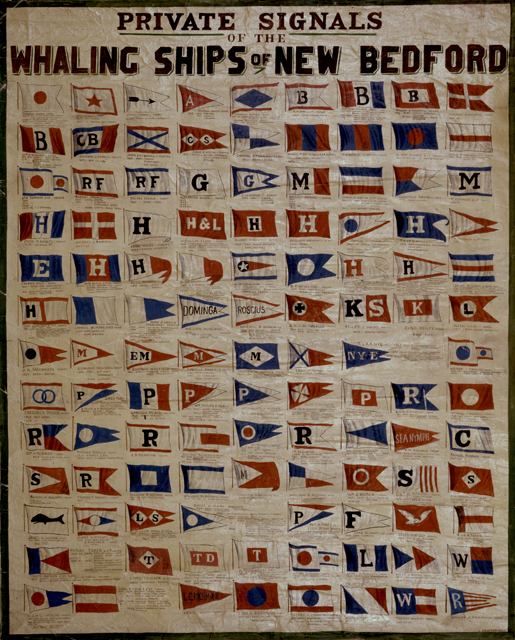
SHORT DESCRIPTION: Oil painting on canvas by C. Newton titled 'Private Signals of the Whaling Ships of New Bedford.' There are many company/merchant flags shown with the names of their vessels and dates of operation underneath each flag. Looking at the dates of the vessels the painting appears to have been created sometime in the 1840s and received modifications as new ship's were added to each. There do not appear to be any entries made after 1869. NOTES: For information, see New Bedford Whaling Museum finding aids. Newspaper and other references found in object file. Gideon Allen and his brother, William, were whaling agents and investors from 1830 to 1887. Philip Anthony worked as a ship chandler and sold hardware at 91 Union in the 1841 New Bedford City Directory. He owned ship Menkar from at least 1845 to 1854. James Arnold was a merchant at Rotch's square. He owned the ship Cambria, which transported Frederick Douglass in 1847. George F. Barker and Abraham Barker were merchants at 117 Union in the early 1840s, also sold provisions and groceries from that address. Chapman & Bonney existed in at least the 1850s. In 1854 they purchased the schooner Union to be rigged as a brig and used in the North Atlantic whale trade. In 1859 their sail lofts burned in a fire. Coggshall should be spelled Coggeshall Cook & Snow was a partnership between Thomas Cook (1801-1890) and Loum Snow that began in 1828. They were wholesale and retail dealers in dry goods, merchant tailors, and outfitters, but also became involved in whaling trade. Snow left the partnership in 1859 and started his own company; his son joined him in 1867 to create Loum Snow & Son. Cornell & Penniman are listed in this painting as agents for bark Eliza in 1857, they were still agents for her in 1860. Oliver & George O. Crocker were brothers. In 1841 the firm of George O. Crocker & Co. had George T. Baker and Oliver Crocker as partners, and David Crocker as a laborer. They were merchants operating from 7 Commercial wharf. By 1843 the partnership between Baker, Crocker, & Co. of Boston and George O. Crocker & Co. of New Bedford had dissolved, leaving Baker to partner with Edmund Whitney to create Baker & Whitney selling sperm oil, candles, and other general commission business from their stores at 80 and 84 Water Street, which had been the address for Baker, Crocker, & Co. See The Boston Post, February 6, 1843. Elisha Dunbar & Co. was a partnership between Captain Elisha Dunbar and Edward C. Jones. Elisha Dunbar married Ann Howland in 1820, the daughter of John Howland Sr., who built them a house at 46 South Street. Edward Coffin Jones began his career as a stock boy, who worked his way up to being a ship owner and partner. When Dunbar died in 1839 Jones continued the firm alone. William Watkins worked for the company before starting his own (see below). John P. Knowles worked as a partner with T. & J.P. Knowles with Thomas. By 1887 The Boston Globe reported that John P. Knowles 2d was a ship merchant who was in debt. In 1890 the newspapers reported him as an insolvent debtor paying 40 per cent dividend. T. Knowles & Co.: Thomas Knowles worked with John P. Knowles and Joseph Knowles in th 1849 directory as dealers in groceries, provisions, dry goods, etc. at 24 Union. Jos Dunbar & Co. was Joseph Dunbar, a mercantile and whaling agent company. Henry F. Thomas (born 1824) worked for his father then joined Dunbar as a clerk and worked his way up to being a partner in 1845. He took control from 1850 to 1875. The company is listed in the 1836 and 1841 directories located at 9 Middle with Asa T. Lawton as a partner. Rodney French (1802-1886) was a quaker and merchant. He was an abolitionist who supported the Civil War. He won the 1853 mayoral election for New Bedford and a street in New Bedford is named Rodney French Blvd in his honor. William Gifford was a whaling agent for the ships Charles Drew, Minerva, and bark William Gifford. His son, Charles H. Gifford, became a partner and the company name became William Gifford & Son. William died in 1866 and Charles continued the company for a few years. Lawrence Grinnell was a whaling agent who began his career in the counting room of Fish & Grinnell in New York (which later became Grinnell & Minturn, see QO 1030 and QO 1024). He returned to New Bedford to work as a whaling agent, sold sperm oil and candles, and worked with the Mutual Life Insurance Company of New York. Hathaway & Luce was a partnership between William Hathaway Jr. (1798-1885) and Matthew Luce (circa 1802-1852) in 1838. Hathaway was a sailor who became master, and was well traveled. When he partnered with Luce they worked as agents and commission merchants until Luce died in 1852. Hathaway continued the company until the Civil War when he sold several ships and had a few captured by the Confederates. T.S. & F.S. Hathaway was Thomas Schuyler Hathaway (1796-1821) and Francis S. Hathaway (1803-1869). Their father, Humphrey Hathaway (1765-1821) was a ship builder and involved in the whale oil industry. A third brother, Nathaniel, was also a partner until his death in 1836; two of his sons became partners later in life. A.H. Howland was Abner Howland, whose family was very active in the New Bedford whaling industry and also very wealthy. He is a nephew of John Howland Sr., and Abner's home still stands at 22 South Sixth Street. Edward Wing Howland was a whaling agent, owner, and also outfitted whaling vessels in partnership with his brother, Cornelius, and his nephew, George Howland Barney. Edward died in 1879. George & Matthew Howland: George Howland Sr., was a whaling agent who eventually owned nine whaling vessels, a counting house, a wharf, a candle factory, stores, houses, and land. His daughter used his home at 245 Walnut Street to educate fugitive slaves. The home was built as a wedding gift in 1811, and on the wedding day George and his wife Susan watched the launch of the ship George & Susan from their front porch. Frederick Douglass worked for him as a young man. Lemuel Killock & Son should be spelled Lemuel Kollock. He was a ship chandler and grocer in the 1841 city directory, at 3 Whaleman's slip at the corner of Central wharf. Issac Howland Jr. & Co. should be Isaac Howland Jr. & Co. His father, Isaac Howland Sr., began a company where Jr. worked until it failed, but he managed to stay involved in the industry and start his own company. Isaac Jr.'s daughter, Abby Howland, married Edward Mott "Black Hawk" Robinson in 1833 and he took control of the company when Isaac Jr. died in 1834. Robinson was known for his ruthless business tactics and grew the company into a strong, successful venture that made them very wealthy. His daughter, Hetty Green, learned the finances from her father and became the wealthiest woman in America when she died in 1916. Green was known for her stingy financial practices, neglecting medical care for herself and her children to save money. Her son wound up with an amputated leg. John & James Howland were brothers. James started his career at sea but barely survived several dangerous voyages so he retired to life on shore to work with John. James built a house between 1808 and 1815 at 21 South Sixth Street that still stands, but at one time had an observation tower in the yard so that he could still watch the harbor. Charles Waln Morgan lived from 1796 to 1861. He partnered with William Rotch Sr. and Samuel Rodman Sr. as merchant shippers, then worked for himself from 1819 until his death. He owned all or part of numerous whaling vessels.. T. & A.R. Nye were Asa R. Nye and Thomas Nye, Jr. They were merchants at 8 Middle Street in the 1836 and 1841 city directories. Frederick Parker lived from 1806 to 1861, son and partner of prominent whaling merchant John Avery Parker. John hired William Phillips in 1825 and his son, George R. Phillips, in 1848. John died in 1853 and Frederick continued the company. When Frederick died William and George continued the company under the name of William Phillips & Son (incorrectly spelled twice in painting as Philips). Jireh Perry was a merchant with a counting room at 11 Middle Street in the 1841 directory. Ebenezer Perry appears in the record as his son, and Pardon Tillinghast was a partner. Lorenzo Peirce was a cooper who eventually owned 3/4 of the bark Addison from 1860-1867. Pope & Morgan: Samuel Griffitts Morgan was the nephew of Charles W. Morgan and worked as a clerk for his uncle until partnering with William G.E. Pope in about 1836. The 1841 city directory has Pope & Morgan as commission merchants and dealers in duck, iron, etc. in Rotch's Square. Andrew H. Potter was a clerk for the Register Office in 1841. By 1861 the New York Times reported that he worked for A.H. Potter & Co. and was arrested for his part in outfitting the ship Brutus for carrying slaves. Chas. S. Randle may be Charles S. Randall, who went on to be a politician. Thomas Riddell partnered with Thomas R. Dix as merchants with a counting room at 29 Rotch's Square. Barton Ricketson was partnered with Charles Wood, merchants at 31 Centre in 1841. Samuel W. Rodman was a leading manufacturer of cotton goods. The 1841 directory has his office at 3 Rodman, by 1842 he built a large house with a guest house at what is now 35 Seventh Street. The Rodman family had been involved in the whaling industry since 1798 when Samuel Rodman Sr. started working as a merchant, banker, an invested in textile mills. His sons were Samuel Rodman Jr. and Benjamin Rodman. Samuel Jr's son, Thomas Rotch Rodman, also worked for the company. Thomas worked in his father's whaling ventures, then fought in the Civil War before working for the Wamsutta Mill that his father and uncle funded. William Rotch Rodman lived at 388 County Street, built between 1833 and 1836. The Rotch family was another prominent, highly successful whaling family in New Bedford. It began with William Rotch Jr. in 1787, who had worked for his father's counting house in Nantucket. He taught his sons, William Rodman Rotch, Joseph Rotch, and Thomas Rotch, who all worked as whaling agents. Joseph's son, William James Rotch, attended Harvard, founded the New Bedford Cordage Company with his brother, and became mayor. William James married two of Charles W. Morgan's daughters. O. & E.W. Seabury were Otis and Edward W. Seabury, outfitters and agents for whaling ships. Several brothers were also involved in the whaling industry and occasionally contributed to the business. They were Humphrey W., Charles Pinkney, William Harrison, and Jason. Swift & Allan should be spelled Swift & Allen. They were ship chandlers, agents, and commission merchants from 1842 to 1891. Frederick Slocum Allen had worked with Thomas C. Lothrop from 1832 to 1836, then with Ireneus Gooding from 1836 to 1841. He then partnered with his brother-in-law, Jireh Swift, to create Swift & Allen. Their decline began with the Civil War and the company closed for good in 1891. W.C.N. Swift & Eben Perry were William Cole Nye Swift and Eben Perry. The partnership began in 1849, they hired William H. Aiken in 1865, and they hired Frederick Swift (W.C.N.'s son) in 1875. Aiken and Frederick Swift took over control in 1879 and the name became Aiken & Swift, which eventually moved operations to San Francisco by the 1880s. Aiken died in 1893 but Frederick Swift continued working. Oben N. Swift should be spelled Obed N. Swift. He worked with W.C.N. Swift (see above) as live oak contractors at 56 Fifth Street in 1841, prior to W.C.N.'s partnership with Eben Perry. The Taber family is another with long connections to the New Bedford whaling industry. Henry Taber went to sea in 1809 and by 1832 was working as a ship chandler and grocer as Henry Taber & Co. He partnered with David Sherman, then with his son, William Gordon Taber, then with his son-in-law John Hunt. When Henry Taber retired in 1866, William G. Taber and William Gordon Jr. took over and changed the name to Taber, Gordon & Co. Other family members involved in the whaling industry include Henry Taber's cousins, Francis Taber and George Russell Taber, who operated as F. & G.R. Taber, as well as Francis' son, Robert Holloway Taber. Thomas & Dow was a partnership between Sylvanus Thomas and William F. Dow, which had financial difficulties in 1846. Dow also worked as principal of the William Street Boys' School, and Thomas worked with Zephaniah Eddy as Eddy & Thomas in at least 1841. Thomas later created Sylvanus Thomas & Co., and hired George S. Homer in 1859. Homer became a partner by 1867 and partnered with his brother, Frederick, after Thomas died. The company existed into the 1870s. West & Paine started in 1816 by John P. West. It became West & Paine when Samuel S. Paine joined, then S.S. Paine until 1861 when Paine's brother, George Paine, joined and the name changed to S.S. Paine & Bro. They were dealers in brick and lime at 12 Hazard's wharf. John P. West's son, Simeon N. West, was also a whaling agent. W. & G.D. Watkins started in 1840. William Watkins had worked for Elisha Dunbar until that company closed and he started his own. It became William & George D. Watkins from 1851 to 1862. In 1878 George bought the company and partnered with Jonathan Handy to create Watkins & Handy. Tucker & Cummings was a partnership between Charles Smith Cummings and his brother-in-law, Abner R. Tucker in 1853. When Tucker left the company in 1881 Benjamin Cummings joined and the name became C.S. & B. Cummings. Benjamin Cummings also worked with his brother-in-law, Charles H. Gifford, in Gifford & Cummings. Charles Smith Cummings had learned the business from his father and two uncles who were part of William Cummings & Co. Wood & Nye: Willard Nye (1811-1865) started his career with David R. Greene & Co. and was a partner with them by 1836 with Dennis Wood. By 1850 Wood and Nye created their own company as merchants and agents. Nye died in 1865 but Wood continued the company after that. Nye also served as a Representiative twice and Mayor of New Bedford. (See A Genaeology of the Nye Family)

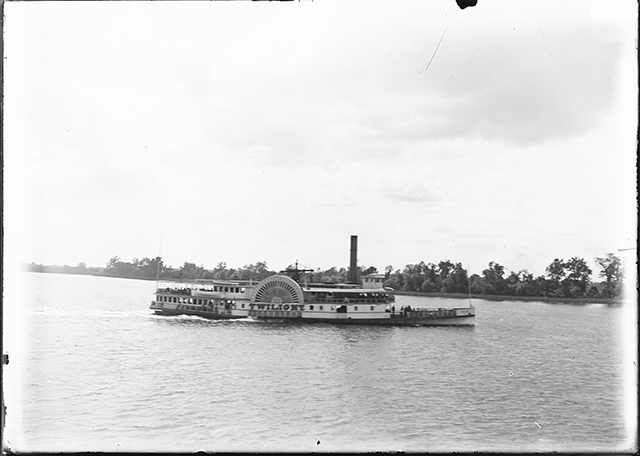 MS0095-1241
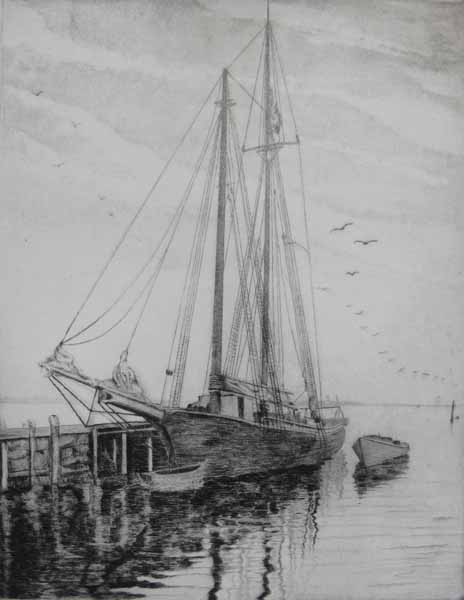 le2978
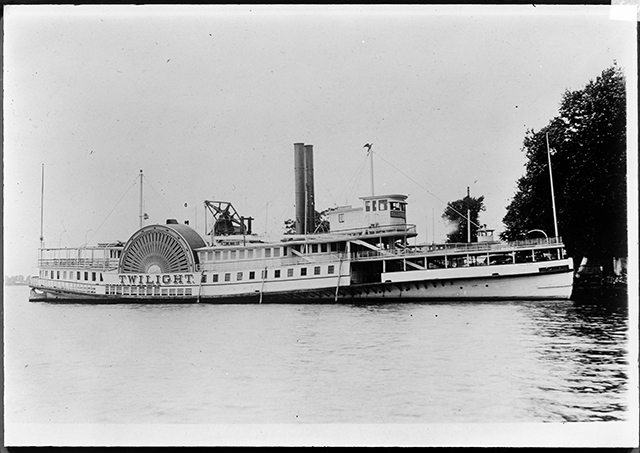 MS0095-0150
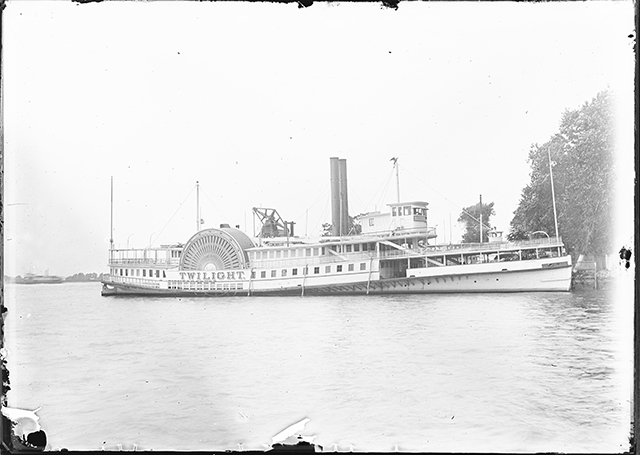 MS0095-1244
 MS0095-1242
 MS0095-1243
 P0006-02-01-2204-01
 MS0095-0149
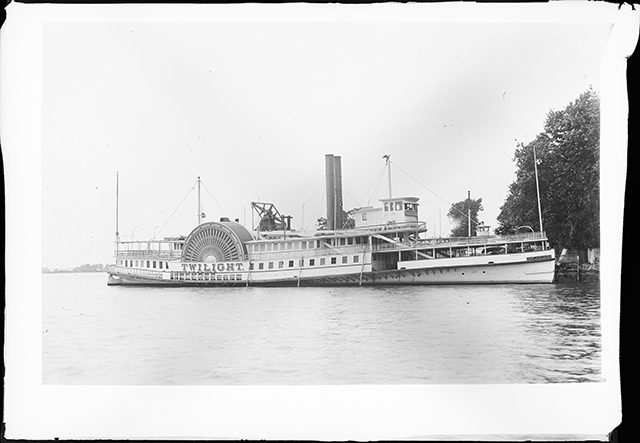 MS0095-1240
 KIC Image 10
 P25-07-16
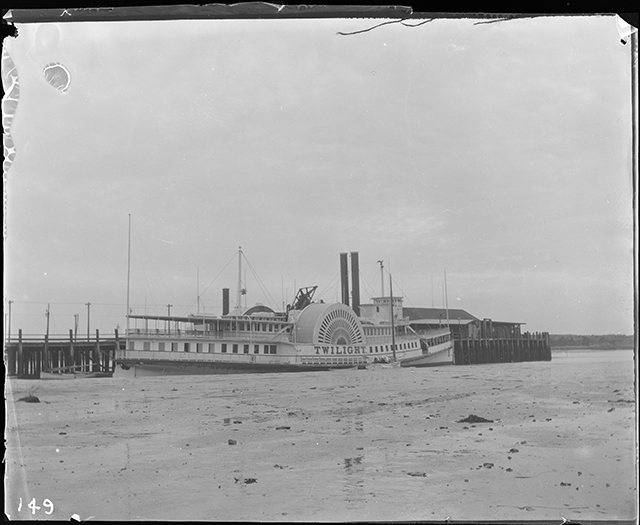 MS0094-149 Twilight
 Full-size image
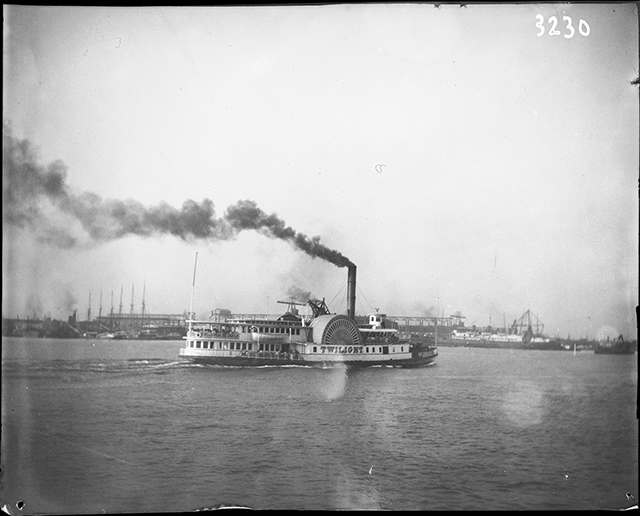 MS0094-3230 Twilight
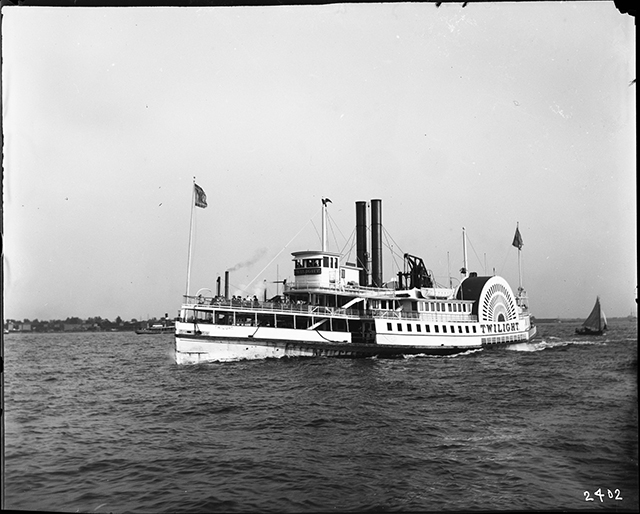 MS0094-2402 Twilight
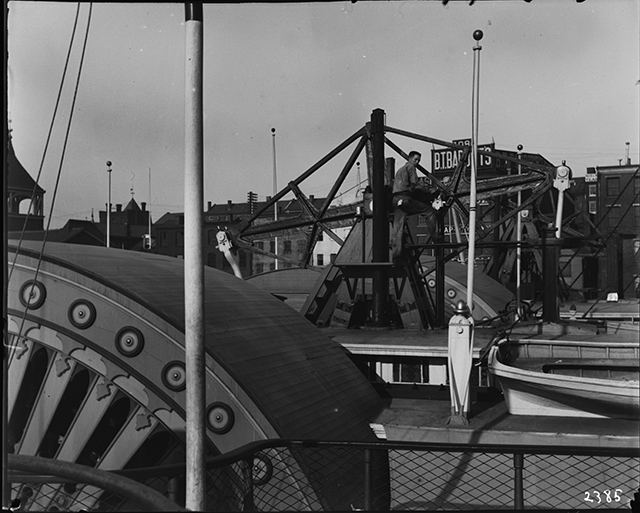 MS0094-2385 John A Warner
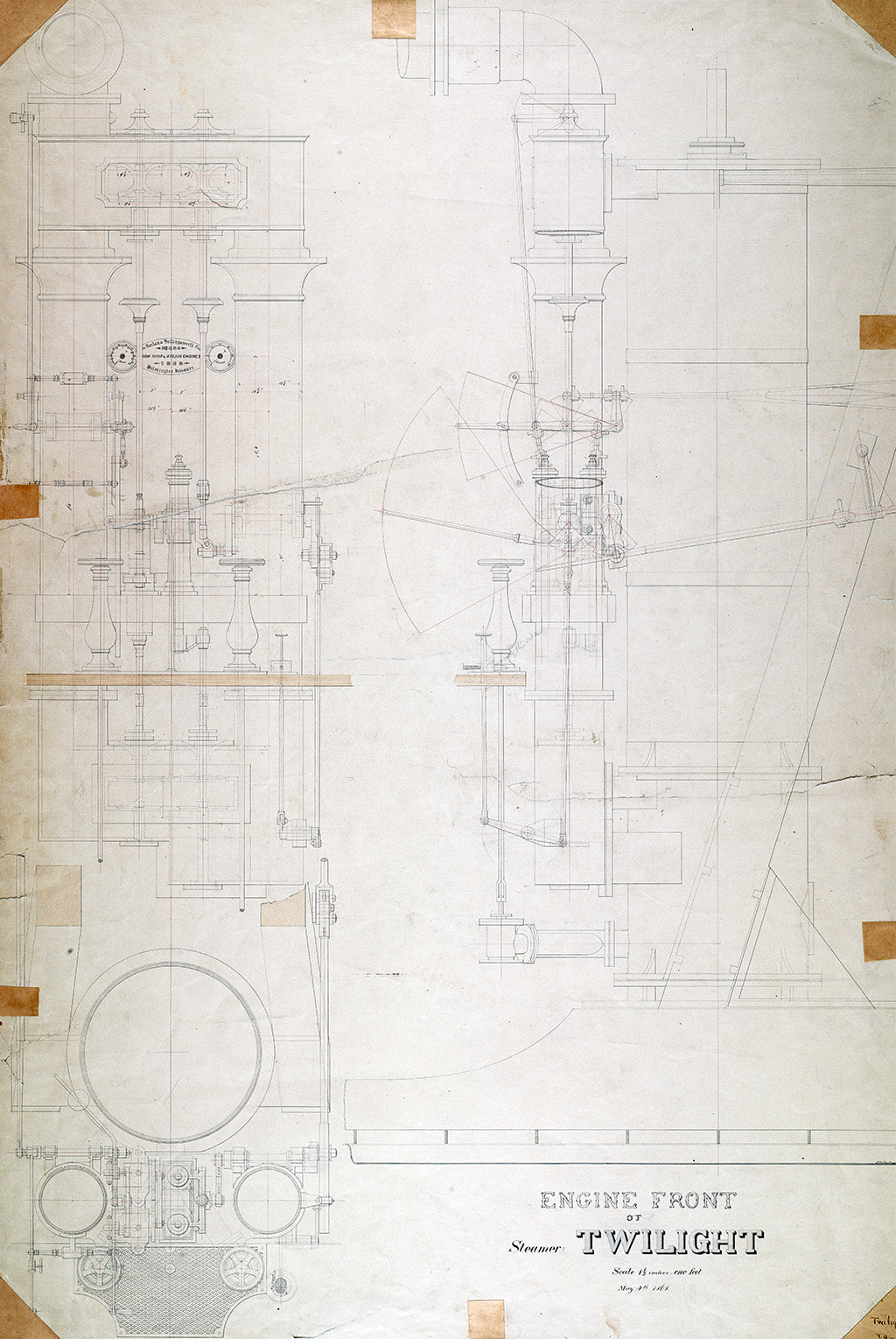 MS573-V4-33 Engine Str Twilight
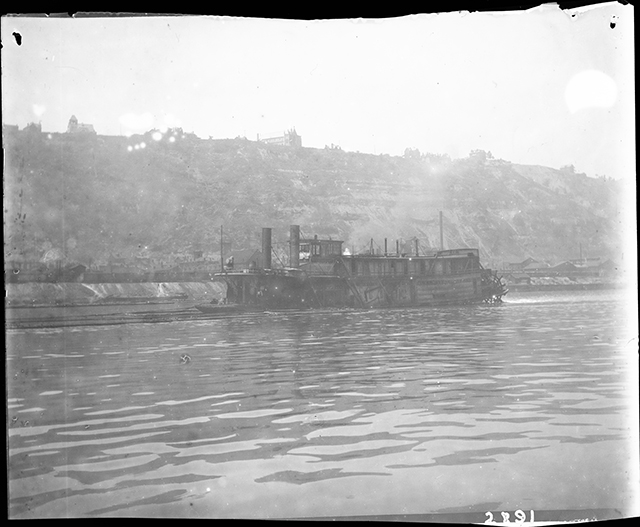 MS0094-2891 Twilight
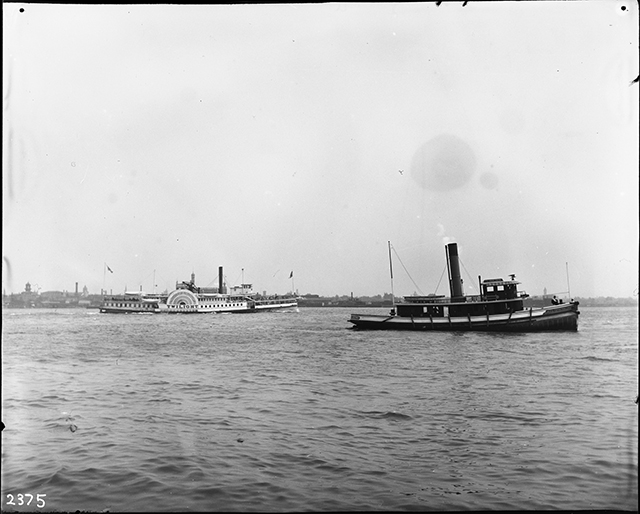 MS0094-2375 Twilight
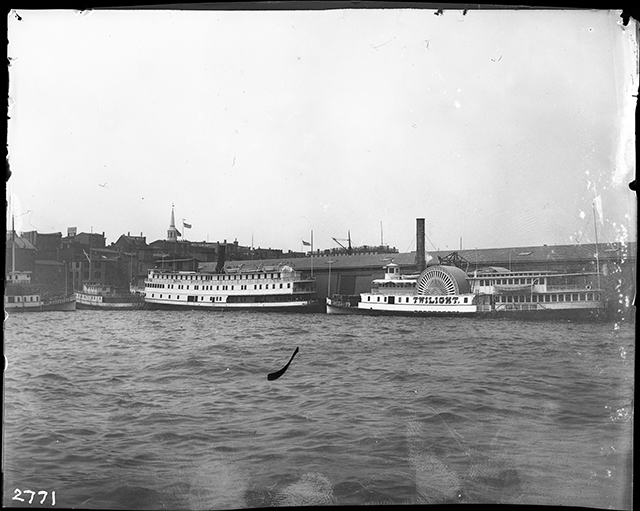 MS0094-2771 Twilight
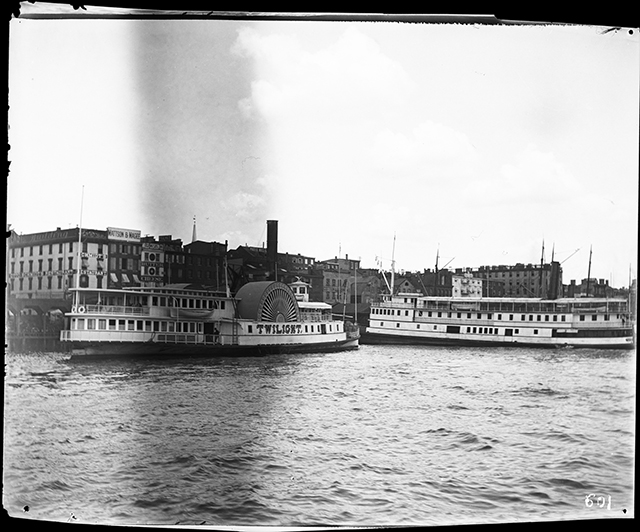 MS0094-601 Twilight
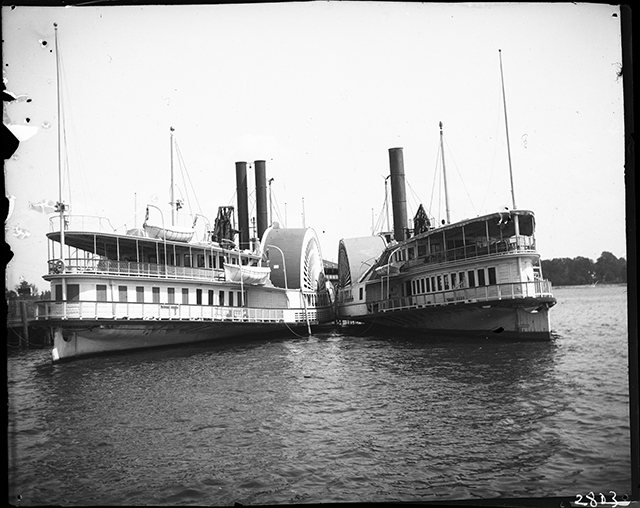 MS0094-2803 Sylvan Dell
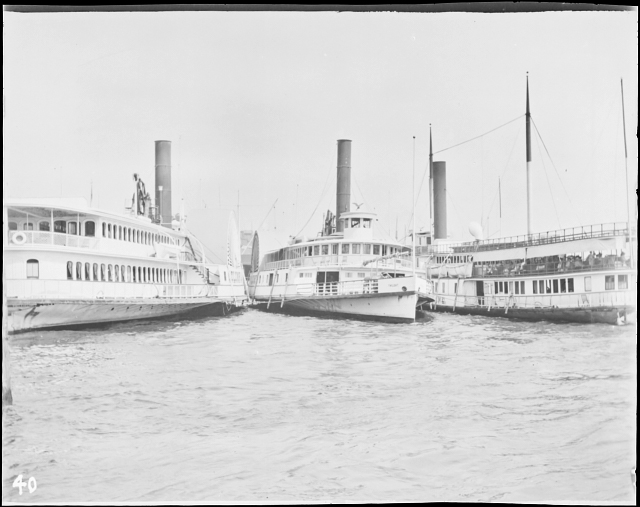 MS0094-40 Columbia
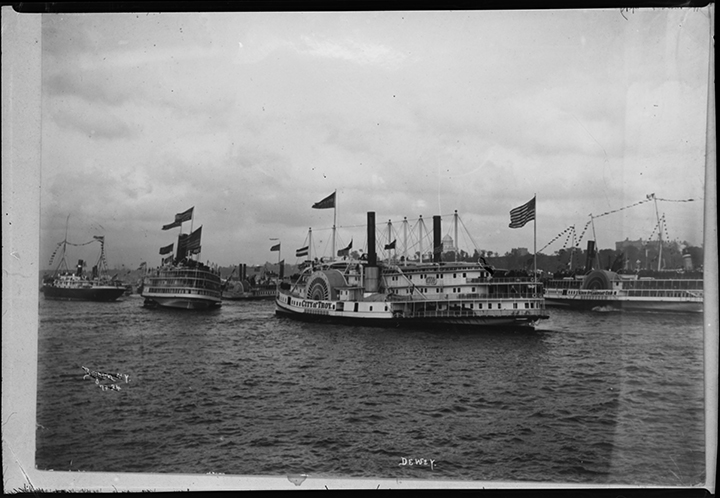 MS0091-03-01-14-021
 Full-size image
 MS0091-03-01-33-082
 84-69-25a
 P0003-01 - E-10422
 P0003-01 - E-10385
 P0003-01 - K-9555
 P0003-01 - K-9557
 P0003-01 - K-9556
 P0003-01 - E-10423
 MS0091-03-01-14-023
 MS0091-03-02-0106
 MS0091-03-01-14-022
 2020.0014.000004[1]
 2020.0014.000003_1[1]
 2007-23-27
 Full-size image
 1934.1806.000001